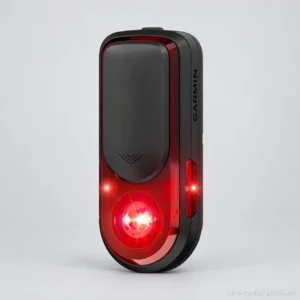
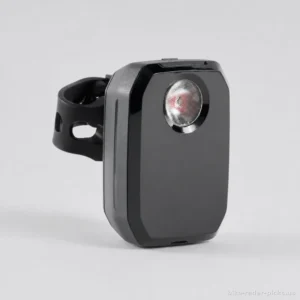
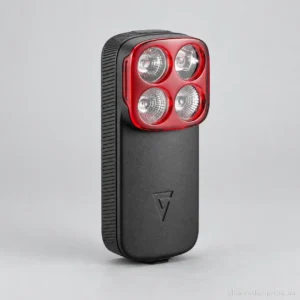
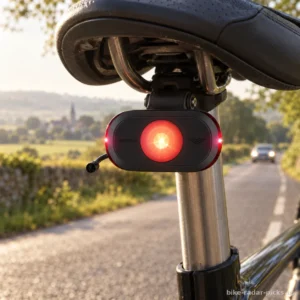
Sigma RECO 80 LINK
Top-ranked for detection range, battery life and detection angle.
Read the review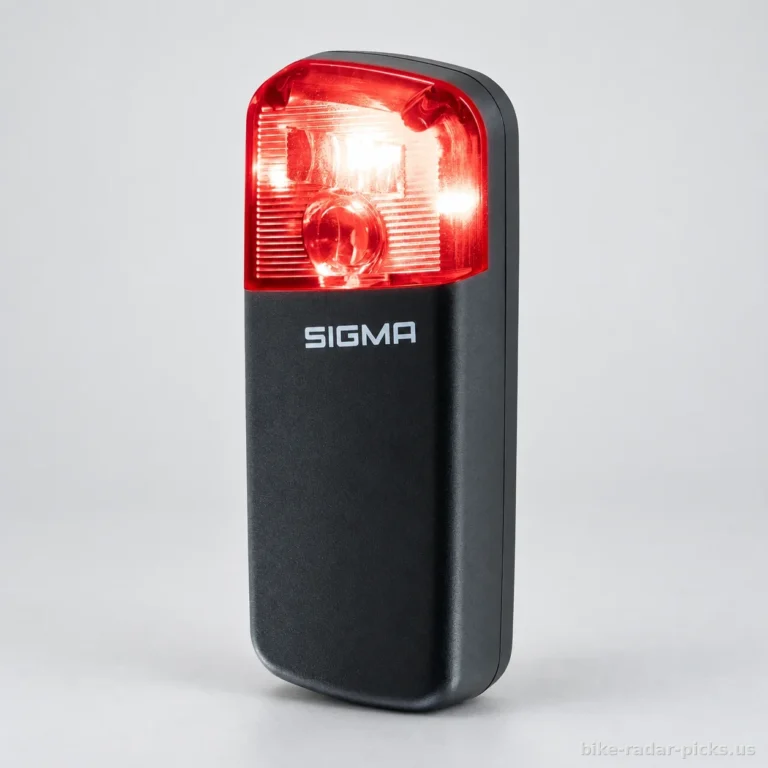 Our rankingsThe best bike radars23 bike radars
By compatible with a bike computer
By detection range
By battery life
Features and options
Our guides to choosing
Compare the battery life of your next ANT+ bike radar in the mode you will actually use. Also make sure your bike computer supports the radar profile, as ANT+ alone is not enough.
Prices collected from retailers are for guidance only: they may have changed since, the current price is the one shown by the retailer. No price is shown for models sold only on Amazon. Amounts converted from reference prices in euros using a dated exchange rate.
Top-ranked for detection range, battery life and detection angle.
Read the review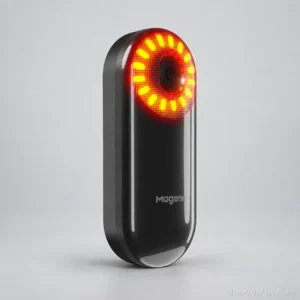
Key strength: weight, rated 9/10.
Read the review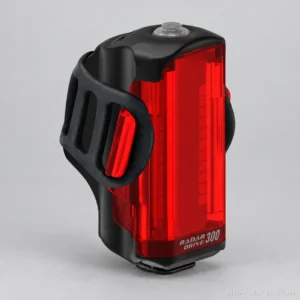
Top-ranked for light output.
Read the review| Rankings | Rating | Price | Detection range | Battery life | Weight | Light output | Detection angle | Charging time | Battery capacity |
|---|---|---|---|---|---|---|---|---|---|
| 1. Sigma RECO 80 LINK | 8.9/10 | n/a | 160 m | 30 h | n/a | n/a | 60 ° | 3 h | 1350 mAh |
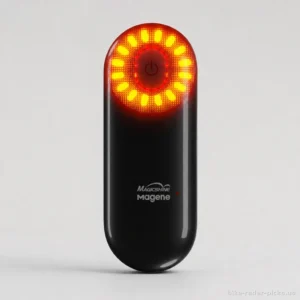
| 2. Magene L508 | 8/10 | $97 | 140 m | 19 h | 65 g | n/a | 40 ° | n/a | n/a |
| 3. Lezyne Radar Drive Rear | 7.9/10 | $131 | 150 m | 20 h | 144 g | 300 lm | 35 ° | 3 h | n/a |
| 4. Magicshine SEEMEE 508 | 7.9/10 | $107 | 140 m | 16 h | 65 g | 20 lm | 40 ° | n/a | 1500 mAh |
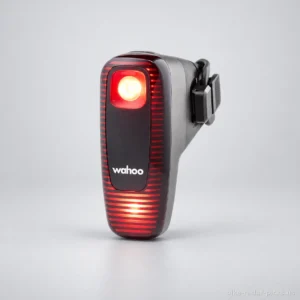
| 5. Wahoo TRACKR RADAR | 7.9/10 | n/a | 150 m | 20 h | n/a | 53 lm | 35 ° | 2 h | n/a |
Rankings are based on our review ratings, calculated by comparing manufacturer specifications across the full catalogue.Our methodology.
The best ANT+ bike radar is first and foremost one that can send alerts to your bike computer and suits your rides. Its purpose is practical: to warn you of a vehicle approaching from behind, helping you anticipate its arrival without constantly checking behind you.
Detection, alert display and lighting are separate functions. The radar detects an approaching vehicle; the compatible receiver relays the information to you; the rear light, when integrated, helps make you visible. These functions complement each other, but they do not make vehicles less dangerous or guarantee that a driver has seen you.
The benefit is particularly noticeable when you want a clearer picture of what is approaching from behind while staying focused on the road. An alert provides additional information. It never means you can move out without looking.
If you already use a GPS bike computer, receiving alerts on it avoids adding more screens to your handlebars. You keep your route information and radar alerts on a familiar receiver, subject to your device's capabilities.
Your first buying criterion should still be support for the ANT+ radar profile on your exact bike computer model. ANT+ appearing in a specification sheet does not confirm this function. Likewise, when looking for a bike radar compatible with Garmin, check your specific model rather than relying on the brand alone.
This check also helps protect your budget. This partial price range does not reflect the entire market. The total equipment cost must also include any mounts, adapters or receivers required.
On the road, this equipment is particularly relevant to cyclists who want advance warning of approaching vehicles. For cycle commuting, its usefulness depends on the route: sections shared with cars make it more valuable than a route entirely separate from motor traffic.
For gravel riding, the benefit is particularly relevant on road sections connecting trails. In heavy traffic, frequent alerts can become harder to act on. Your surroundings therefore matter more than a claimed maximum range.
Your choice of lighting also deserves attention. If you are looking for a bike radar with a steady light, check that this mode is available and complies with the rules where you ride. Also consider the space taken up by a saddle bag.
The selection on this page helps you match these needs to documented specifications. Start with compatibility with your receiver, then compare battery life, lighting and mounting. Finally, keep this principle in mind: radar complements your vigilance and a visual check remains essential before changing direction.
The best bike radar ANT+ is ultimately the one that sends alerts to your bike computer and suits your rides. Based on an analysis of the available specifications, compatibility, battery life in your chosen mode and mounting are the first things to check. A longer claimed detection range alone is not enough to distinguish between models.
Check that your exact bike computer model supports the ANT+ radar profile. Having ANT+ listed in its specifications does not prove that it can display approaching vehicles. Check its documentation and any update requirements.
Searching for a Garmin-compatible bike radar or a Wahoo-compatible bike radar should therefore lead you to check the exact model. ANT+ and Bluetooth are communication technologies, not a guarantee that every feature will be available on every device.
Compare claimed distances only when their source is identifiable. According to manufacturer data reported by Ripost, the Bryton Gardia R300L has a claimed maximum detection range of 190 m, compared with around 140 m for the Magene L508. These figures describe a claimed range, not reliability measured under identical conditions.
To make your decision, focus on the limitations described in the manual and detailed accounts of missed, repeated or confusing alerts. The excerpts provided do not allow a rigorous ranking of these models on those points.
Also check how your bike computer displays alerts during navigation. Clear information matters more than a maximum distance on its own. The radar helps you stay alert but never guarantees that a lane is clear.
Focus on battery life in your chosen lighting mode, rather than the advertised maximum. A claimed figure without details of how the light operates is not enough to plan a long ride.
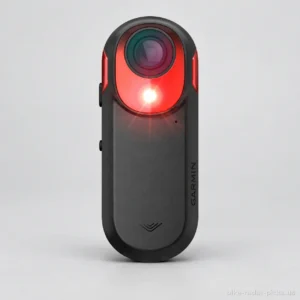
BlogCyclisme reports battery life of up to 16 h for the Garmin Varia RTL515 and 17 h for the Bryton Gardia R300L. The excerpts do not specify the corresponding conditions. This difference therefore does not establish that the Bryton will last longer in your use.
For bike commuting, consider all your journeys between charges. For a long ride, look for documented battery life in the mode you will actually use.
Check the available modes and whether they comply with the regulations where you ride. If you want a bike radar with a steady light, check the claimed battery life in that specific setting.
Next, check your seatpost shape and the adapters supplied. A mount described as versatile still needs checking for compatibility with an aero seatpost. If you use a saddle bag, make sure the installation follows the manufacturer’s clearance and orientation guidelines.
Before buying, check the available space on your bike. If the appropriate mount is sold separately, factor it into your budget. A device that looks appealing on paper loses its appeal if installing it means compromising your usual carrying setup.
Calculate the cost of the complete setup, including the radar, any necessary mounts and a compatible receiver if needed. Keeping your current bike computer may matter more in your decision than an extra feature.
The available information does not provide a basis for reliable price ranges in each category. Compare current offers for equivalent equipment. Before paying more for a camera or additional lighting features, check that they meet a specific need and that their battery life limitations work for you.
Shortlist the Garmin Varia RTL515, Bryton Gardia R300L and Magene L508, then use this checklist. Our analysis is based on the specifications published in the supplied sources, without physically handling the devices. Any missing information should be checked before choosing.
| Criterion | What to look for | Common mistake |
|---|---|---|
| Compatibility | Radar profile supported by your specific bike computer | Relying solely on the ANT+ label |
| Detection | Documented limitations and clear alerts | Equating maximum range with reliability |
| Battery life | Enough runtime in the mode you use | Comparing maximum figures without knowing the settings |
| Mounting | Suitable mount and unobstructed position | Overlooking the saddle bag or seatpost shape |
| Budget | Complete setup suited to your needs | Overlooking essential accessories |
Choose in this order: confirmed compatibility, suitable alerts, sufficient battery life and secure mounting. Then compare the total cost. A visual check before manoeuvring remains essential, whichever radar you choose.
The best ANT+ bike radar is one whose alerts work with your bike computer and whose features suit your rides. Based on an analysis of the available specifications, the Garmin Varia RTL515, Bryton Gardia R300L and Magene L508 are worth comparing. First, check that your exact bike computer model supports the ANT+ radar profile. Then compare models based on battery life in your chosen mode, mounting options and the lighting features you actually need.
To detect vehicles approaching from behind, the appropriate device is a rear-facing bike radar, rather than a speed camera detector. The information provided does not allow us to objectively identify the most effective model. The claimed maximum range alone cannot establish detection reliability. Also consider the limitations described in the manual, how clearly alerts appear on your bike computer and the available settings, particularly for the routes you ride most often.
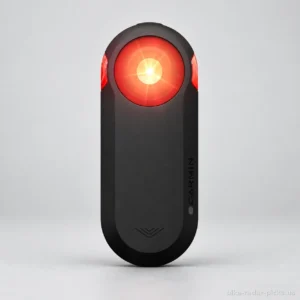
The documented differences include the claimed range and charging connector. According to the specifications reported by Ripost, the Bryton Gardia R300L claims a range of up to 190 m and USB-C charging, compared with approximately 140 to 150 m and micro-USB charging for the Garmin Varia RTL515. These figures do not demonstrate superior detection in traffic. When choosing a Garmin-compatible bike radar, also check which features are available on your exact bike computer model.
Choose a radar whose documentation confirms that alerts can be received directly on your compatible bike computer without requiring a paid service. The available excerpts do not detail the subscription terms for every model and app. Check this before buying, especially if you plan to use your phone. Also compare the total equipment cost, including any receiver, mounts and adapters needed for your bike.
No, having ANT+ on a bike computer does not guarantee that it can display radar alerts. You need to explicitly check for radar profile compatibility in the documentation for the exact model, along with any required updates. Receiving alerts and controlling the light are also separate functions. If you are looking for a Wahoo-compatible bike radar, do not rely solely on the brand name or the ANT+ logo.
Yes, if the radar and a compatible app explicitly support displaying alerts on your phone. Bluetooth being listed in the specifications is not enough to confirm this use. Check the supported radar model, the phone's operating system and the app's operating requirements. In particular, check whether alerts remain accessible when the screen is locked. You will also need a suitable mount and enough battery life for your ride.
When buying, the key difference is which devices and features each connection supports. ANT+ requires the bike computer to support the radar profile. A Bluetooth connection alone does not guarantee that vehicles can be displayed on a phone or bike computer. Depending on the model, it may serve different functions. Check alert reception, light settings and updates separately in the documentation for the radar and receiver.
No, a bike radar remains an aid to awareness and never replaces a visual check before a manoeuvre. The absence of an alert does not guarantee that the road is clear. Before moving out or turning, check traffic and signal your intention. Also bear in mind the detection limitations and the manufacturer's mounting instructions. The radar helps you monitor vehicles approaching from behind, but does not determine when you can manoeuvre.